
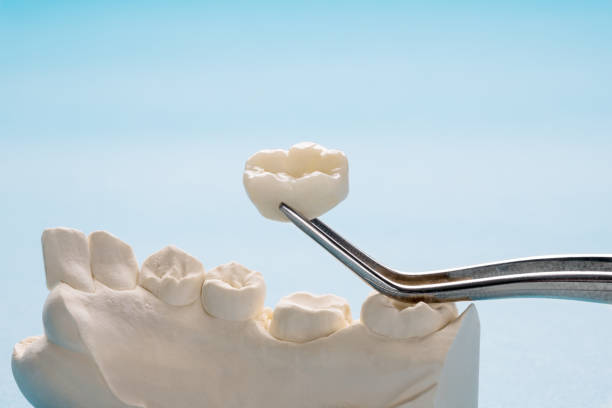
Mild temperature sensitivity, tender gums, and an awareness of a new tooth shape can occur after a permanent crown is placed. These sensations should generally become less noticeable as the treated area settles. At Paola Family Dentistry in Paola, KS, we want you to understand what you can monitor at home and what deserves a call. Significant pain, worsening symptoms, a loose crown, or a bite that clearly hits one tooth first should be checked.
It helps to pay attention to the pattern: what brings the sensation on, how long it lasts, and whether it is improving. A brief response to a cold drink is different from a toothache that keeps you awake. Likewise, noticing a new surface with your tongue is different from being unable to chew comfortably. Here is how to make sense of those differences and care for your crown.
What Is Normal After a Dental Crown Is Placed?
Some mild sensitivity or gum tenderness can occur after crown placement, but severe pain, increasing discomfort, and an uneven bite should not simply be treated as part of getting used to the crown.
The tooth and surrounding tissues have recently been treated. If local anesthesia was used, your mouth may also feel unusual until normal sensation returns. Once it does, you can better assess how the crown feels during everyday activities.
| Sensation | Can it occur after placement? | What to do |
|---|---|---|
| Mild, brief cold or heat sensitivity | Yes, particularly in a tooth with living pulp | Watch for improvement; call if it lingers, worsens, or concerns you |
| Mild gum tenderness | Yes | Continue gentle cleaning and follow your aftercare instructions |
| Crown feels noticeable or new | Yes | Notice whether it becomes less distracting without affecting function |
| Slight chewing tenderness | Possible | Avoid excessive force initially; call if it persists or is more than mild |
| Crown consistently touches before other teeth | Needs evaluation | Contact the dentist for a bite check |
| Severe or worsening pain | Not something to ignore | Contact the dentist promptly |
| Crown feels loose | Needs attention | Avoid unnecessary force and contact the dentist |
This overview applies to a permanent crown on a natural tooth. A temporary crown has different limitations, and an implant-supported crown does not have living tooth pulp underneath it. Instructions for your particular restoration take priority over general guidance.
Why Can a New Crown Feel Sensitive to Hot or Cold?
A natural tooth that still contains living pulp can temporarily become more sensitive after the preparation and placement involved in crown treatment.
The crown itself does not have nerves. The tooth beneath it does, unless it has already received root canal treatment. Inside that tooth is the pulp, which contains nerves and blood vessels. Dentin, the layer beneath enamel, contains microscopic channels that can transmit stimuli toward the pulp.
Preparing a tooth and carrying out restorative treatment can irritate these sensitive structures. A cold drink or hot food may therefore produce a response even though the tooth now has a crown. The presence of a crown does not automatically mean that every temperature sensation should disappear immediately.
The surrounding gum tissue may also be tender, creating a different sensation near the edge of the restoration. Tell your dentist whether the discomfort feels like a brief response inside the tooth, soreness at the gumline, or pain with pressure. You do not need to identify the cause yourself; describing the experience helps guide the examination.
Not every crowned tooth becomes sensitive. The tooth’s condition before treatment and the treatment it required can influence its response afterward.
How Long Can Crown Sensitivity Last?
Mild sensitivity may last for several days and, in some cases, a couple of weeks. There is no exact deadline that applies to every tooth, but symptoms should generally move toward improvement.
Pay attention to the direction of change rather than counting days alone. A brief cold response that is becoming less noticeable is different from sensitivity that is stronger each day or takes longer to fade.
You do not have to wait for a certain number of days before contacting the office. If symptoms interfere with eating, are not improving, or make you unsure about the tooth, ask for guidance. A calendar cannot tell you whether the bite is balanced or whether the tooth needs further evaluation.
While mild sensitivity settles, avoid repeatedly exposing the tooth to very hot or cold foods to test it. Comfortable food and drink temperatures can make eating easier. Ask your dentist whether a toothpaste for sensitive teeth would be appropriate; it should not be used as a substitute for checking persistent or worsening symptoms.
Is Cold Sensitivity Different From Constant Tooth Pain?
Yes. Brief discomfort triggered by cold is different from pain that starts on its own, continues after the trigger is gone, or repeatedly wakes you from sleep.
For example, a short response to a sip of cool water gives the dentist different information from a deep ache that continues while you are sitting quietly. Neither description establishes a diagnosis, but the distinction matters when deciding what to assess.
Contact the dentist for symptoms such as:
- Pain that lingers after hot or cold food is removed.
- Spontaneous aching or strong throbbing.
- Pain that disrupts sleep.
- Increasing intensity or frequency of discomfort.
- Swelling or significant tenderness around the tooth.
A symptom does not have to become severe before you mention it. If the pattern has changed or you are avoiding normal activities because of the tooth, that is useful information for the dental team.
Why Does My New Crown Feel High When I Bite Down?
A crown can feel high when it contacts the opposing tooth before the rest of your teeth come together comfortably. That feeling should be evaluated rather than assumed to be normal adaptation.
Dentists use the word occlusion to describe how upper and lower teeth meet. Your mouth can notice small changes in these contacts. You may feel as though one tooth is taking most of the pressure or that you cannot close into your usual bite.
A newly restored surface may also feel unfamiliar even when the contacts are appropriate. That is why awareness alone does not prove the crown was made incorrectly. The key question is whether the crown is interfering with comfortable function.
A consistent first contact, a sense of concentrated pressure, or discomfort whenever you close your teeth together gives the dentist a reason to check the bite. Once numbness has worn off, let the office know what you notice. You do not need to keep biting hard to demonstrate that something feels different.
How Can You Tell Whether a Crown May Need a Bite Adjustment?
A bite check may be needed if the crowned tooth consistently touches first, chewing pressure feels concentrated on it, or your teeth no longer seem to meet evenly.
Patients often describe the problem in ordinary terms: “That tooth feels taller,” “I keep landing on the crown,” or “I have to shift my jaw to close comfortably.” Those descriptions are helpful; you do not need dental terminology to explain the concern.
Discomfort specifically with biting is another reason to call, even if you cannot tell whether the crown is high. It can have more than one cause, so an examination is preferable to assuming that adjustment is definitely the answer.
Avoid repeatedly tapping your teeth together, clenching, or chewing hard foods to see whether the sensation goes away. Tell the office when you first noticed it and whether it happens when closing gently, chewing, or moving your jaw. That information helps the dentist understand what needs checking.
What Happens During a Crown Bite Adjustment?
The dentist checks how the crown contacts the opposing teeth and makes a careful adjustment only if the findings show one is needed.
Thin marking material may be used while you close and move your teeth together. The marks help identify contact areas. The dentist combines those observations with your symptoms and an assessment of the restoration.
If an interfering contact is present, the appropriate area can be adjusted and the surface finished or polished as needed. The bite is then rechecked. The purpose is to improve how the restoration functions within your bite while preserving an appropriate crown shape and surface.
Not every unusual sensation requires removing crown material. If the contacts do not explain the symptoms, the dentist may need to evaluate other aspects of the tooth and restoration. A bite adjustment is a treatment chosen after assessment, rather than an automatic response to every sensitive crown.
Is Pain When Biting on a New Crown Normal?
Mild tenderness can occur after treatment, but significant, persistent, or worsening pain when biting should be evaluated.
Recently treated tissues may feel tender. Around the root, a thin supporting tissue called the periodontal ligament helps attach the tooth to the surrounding bone and responds to pressure. Discomfort during chewing can involve the tooth or these supporting tissues; it cannot be reliably explained from the symptom alone.
Pay attention to whether chewing is becoming easier. Slight tenderness that is fading is different from sharp pain every time food touches the tooth or pressure that makes you avoid that side completely.
Contact the office if the bite feels high, the crown moves, swelling develops, or pain does not improve. Until you receive guidance, avoid placing heavy chewing forces on the painful tooth. Choosing softer foods temporarily may help you eat comfortably, but changing your diet indefinitely is not a solution to an unresolved bite or tooth problem.
Tell the dentist whether pain occurs as you bite, as you release pressure, or afterward. Those details help guide evaluation without requiring you to guess what is wrong.
Why Are the Gums Sore Around a New Crown?
The gums can be temporarily tender because the tissue around the tooth has been handled during preparation, impression-taking, fitting, or placement.
The edge where a crown meets the tooth is called the crown margin. Work close to this area can leave the nearby tissue sensitive, even when the crown itself feels secure. Mild gum tenderness commonly settles over several days.
Gum soreness may be most noticeable during brushing or when food touches the area. Use gentle pressure and follow your dentist’s cleaning instructions. Leaving the area uncleaned can allow plaque to build up around tissue that is already tender.
Contact the dentist if soreness increases, swelling appears, bleeding persists, or cleaning remains difficult. A sharp edge, repeated food trapping, or floss that catches in the same place should also be mentioned. These observations deserve an assessment rather than harder brushing or an attempt to alter the crown at home.
Should You Keep Brushing and Flossing Around the Crown?
Yes. A permanent crown still needs daily cleaning around its margin, between neighboring teeth, and along the surrounding gums.
The crown material does not develop a cavity, but the natural tooth at its edges remains vulnerable to decay. Plaque can also irritate the gum tissue around the restoration. Daily hygiene therefore protects both the crowned tooth and its supporting tissues.
Brush twice a day with fluoride toothpaste and a soft-bristled toothbrush. Clean between the teeth daily using floss or another method recommended for your mouth. Ease floss between the teeth and along the tooth surfaces rather than snapping it into tender gums.
If floss will not pass, repeatedly shreds, or catches beneath an edge, let the office know. Do not force an object through the contact or assume that permanent difficulty cleaning is unavoidable with a crown. Your dental team can check the area and demonstrate a suitable technique.
Specific instructions may differ if you have a bridge, an implant restoration, or recent gum treatment. Follow the guidance provided for your restoration.
When Can You Eat After a Dental Crown Is Placed?
Follow the instructions given for your crown and the material used to secure it. If local anesthesia was used, avoid chewing until the numbness has worn off.
While your cheek, tongue, or lip is numb, it is easier to bite the tissue without realizing it. Temperature judgment can also be reduced, so take care with hot drinks and foods until normal sensation returns.
There is no single waiting period that should be applied to every crown. Different bonding or cementation materials and different treatment circumstances can lead to different instructions. If you were told to wait before chewing, follow that advice even if the crown already feels firm.
Once you are cleared to eat, start with foods that feel manageable and avoid unusually heavy forces. You do not need to test the restoration with something hard. If ordinary chewing produces a clear first contact or significant pain, stop placing force on that tooth and contact the dentist.
Before leaving the appointment, ask when you can eat, whether any temporary food restrictions apply, and whom to contact if your bite feels uneven after the numbness fades. If you have already left and are unsure, a call can clarify the instructions.
What Foods Can Damage a Dental Crown?
Extremely hard items and very sticky foods can put damaging forces on a crown or the tooth beneath it.
Chewing ice, biting hard candy, or crunching an unpopped popcorn kernel concentrates force on a small area. Very sticky foods such as taffy can pull on a restoration. These are mechanical concerns, even after the initial recovery period has passed.
Habits matter, too. Teeth should not be used to open packaging, hold metal objects, or bite pens and fingernails. A crown is designed to restore chewing function, but it is not a tool for tasks that can damage natural teeth as well.
This does not mean you need a permanently soft diet. The practical goal is normal eating with sensible protection from extreme forces. Ask your dentist if you have questions about a particular food, especially if your tooth had extensive damage or your treatment involved additional procedures.
If a bite of food causes sudden pain, a new rough edge, or movement of the crown, stop chewing on that tooth and arrange an evaluation.
How Should You Care for a CEREC Crown After Placement?
A CEREC crown needs the same basic care as another permanent crown: consistent cleaning, appropriate chewing habits, regular examinations, and attention to changes.
CEREC describes the technology used to design and make the restoration. Once the crown is in place, it still relies on a healthy tooth foundation and surrounding gums. In-office fabrication does not remove the need to brush or clean between teeth.
Keep your daily routine straightforward:
- Brush twice daily with fluoride toothpaste.
- Clean between the crown and neighboring teeth every day.
- Attend dental examinations and cleanings on the schedule recommended for you.
- Avoid chewing ice and other unusually hard items.
- Report a changing bite, persistent sensitivity, looseness, or a new sharp edge.
There is no special proprietary cleaning routine required simply because a crown was made with CEREC. Your dentist may recommend a particular cleaning aid based on your gum health or access between teeth, just as with other restorations.
If you wear a nightguard or retainer, ask whether it needs to be checked after the crown is placed. Do not force an appliance that no longer seats comfortably. Its fit should be assessed before you continue using it.
What Happens Immediately After a Same-Day CEREC Crown Is Bonded in Paola?
Once the permanent crown is bonded, the focus shifts to how it fits, how your teeth meet, and what instructions you need for using and cleaning it.
At our practice, CEREC allows a suitable crown to be digitally scanned, designed, milled, and bonded during one appointment. The crown appointment generally takes about 90 minutes, although individual treatment needs can change the timing.
After placement, tell the dental team about any noticeable first contact, pinching, or discomfort. If you are still numb, pay attention again once sensation returns and contact us if the bite then feels uneven.
A same-day crown avoids the laboratory waiting period for appropriate cases, but it does not guarantee that the tooth or gums will have no temporary sensitivity. For the treatment sequence, see what happens during a CEREC crown appointment.
How Long Does It Take to Get Used to a New Dental Crown?
A crown may become less noticeable over the first several days, but there is no fixed adaptation period. Comfortable function matters more than meeting a particular deadline.
Your tongue may keep finding the restored surface because its shape differs from the damaged tooth or temporary crown you had before. That awareness can be harmless when the crown is smooth, stable, and comfortable to use.
Pain is a separate issue. A toothache, sharp edge, or clearly uneven bite should not be dismissed as something you simply need to get used to. Likewise, a crown that makes cleaning difficult or repeatedly traps food deserves a check.
Ask yourself whether you are merely noticing the crown or changing how you eat and close your mouth to avoid discomfort. The second pattern is a reason to contact the dentist. You do not need to wait until the crown has been in place for weeks to report it.
What Should a Properly Fitted Crown Feel Like?
A properly fitted crown should be stable, allow appropriate cleaning, and work comfortably with neighboring and opposing teeth.
The contact with the neighboring tooth should allow the area to be cleaned as instructed. Floss may meet some resistance at the contact, but it should not require painful force or repeatedly tear. Food should not routinely become packed into a troublesome space beside the crown.
The restoration should not rock, lift, or feel loose. Its surfaces should not have a sharp area that keeps irritating your tongue or cheek. When you close your teeth together, the crown should work within your bite rather than consistently taking an uncomfortable first or heavy contact.
Some initial awareness is possible even with an appropriate fit. The goal is not an absolute promise that you will never notice the crown. It is a restoration that becomes comfortable and practical to use.
If the original tooth needed substantial rebuilding, its new shape may differ from what you were used to. Our guide to choosing a crown instead of a filling explains that protective purpose. Even so, a necessary change in shape should not leave you with unresolved pain or an interfering bite.
When Should You Call the Dentist About a New Crown?
Call when symptoms are severe, worsening, persistent without improvement, or associated with a change in the crown’s stability or your bite.
Reasons to contact the office include:
- Strong tooth pain or pain that interrupts sleep.
- Sensitivity that lingers or becomes more intense.
- Significant pain with biting or chewing.
- A crown that consistently touches before the other teeth.
- Visible swelling or increasing gum soreness.
- A crown that moves, chips, cracks, or comes off.
- A rough or sharp edge that irritates the mouth.
- Repeated trouble cleaning or food trapping around the restoration.
When you call, describe when the crown was placed, what triggers the symptom, how long it lasts, and whether it is improving. Mention any swelling, looseness, or change in your ability to eat. The team can use those details to advise you about the next step and how urgently the tooth should be seen.
Seek emergency medical care if swelling is accompanied by difficulty breathing or swallowing. That is different from routine post-crown tenderness.
Should You Wait for a High Crown to “Settle”?
Do not assume that a clearly uneven bite will correct itself. If the crowned tooth consistently contacts first or feels overloaded, contact the dentist.
Becoming accustomed to a new shape does not correct an interfering contact. Continuing to clench or chew forcefully in hopes of wearing it down is not an appropriate way to adjust it.
Do not file, sand, or modify the crown yourself. The dentist needs to assess the contacts and the restoration before deciding whether an adjustment is necessary. A professional bite check can also help determine whether pressure explains the symptoms or another evaluation is needed.
What If the Crown Becomes Loose or Comes Off?
Avoid chewing on the affected tooth and contact the dental office. If the crown comes out, keep it in a safe container and bring it to the appointment.
Do not keep a detached crown loose in your mouth or attempt a permanent repair with household glue. The dentist needs to examine both the restoration and the tooth before deciding how to manage it.
Tell the office if there is pain, a visible break, or swelling as well as looseness. Those details help determine the appropriate next step. Repair options depend on what caused the problem and are best discussed after the area has been checked.
Can a Crowned Tooth Still Need a Root Canal?
Yes. A crown restores the outer portion of a tooth, but it cannot guarantee that the living pulp inside will never become inflamed or infected.
Some teeth already have significant damage before a crown is placed. If the pulp later develops a problem, the tooth may need further evaluation and possibly root canal treatment. Mild temporary temperature sensitivity alone does not establish that a root canal is needed.
Your dentist considers the symptom history, examination findings, and appropriate tests. The goal is to identify the source of discomfort rather than assume that every painful crown needs adjustment or every sensitive tooth needs endodontic treatment.
Our practice offers root canal treatment when appropriate. If your crowned tooth previously received a root canal, tell the dentist. The treated tooth no longer has the same living pulp response, but surrounding tissues can still hurt, and nearby teeth may need evaluation. Do not dismiss a new symptom simply because the tooth has already had root canal therapy.
How Do You Keep a Dental Crown Healthy Long Term?
Protect the tooth and gums around the crown with daily cleaning, routine dental care, and habits that avoid unnecessary stress.
Brush with fluoride toothpaste, clean between teeth daily, and keep the examination and hygiene schedule recommended for your needs. A crown covers damaged structure, but it does not make the underlying tooth immune to decay or the surrounding gums immune to inflammation.
If your dentist identifies clenching or grinding, discuss whether a protective appliance is appropriate. Report changes such as new food trapping, sensitivity, or movement rather than waiting for a scheduled cleaning. Small changes are useful information even when the crown has been comfortable for a long time.
Dental Crown Follow-Up in Paola, KS
Paola Family Dentistry provides CEREC crowns and restorative dentistry, including evaluation of a crown that feels high, remains painful, or becomes loose.
Dr. Travis Howard can assess the restoration, supporting tooth, and bite to help determine what needs attention. When a bite adjustment is appropriate, the recommendation should follow that assessment. When the symptoms point elsewhere, the next step may involve a different evaluation.
Patients traveling from around Miami County can contact the office if they are unsure whether a post-treatment symptom warrants a visit. Describe what you are experiencing and whether the crown was placed here or by another provider. Relevant treatment information can help with planning your evaluation.
You do not have to decide on your own whether a sensation is harmless. If your crown is keeping you from chewing comfortably or the symptoms are not improving, contact us to discuss it.
Dental Crown Aftercare FAQs
Is It Normal for a Crown to Be Sensitive to Cold?
Mild, brief cold sensitivity can occur after crown placement in a tooth with living pulp. It should generally improve. Contact the dentist if the response lingers, worsens, or interferes with eating and drinking. A description of the trigger and how long the discomfort lasts is more useful than trying to diagnose it yourself.
How Long Should a Tooth Hurt After a Crown?
There is no universal deadline. Mild sensitivity can last for days or a couple of weeks, while gum tenderness often settles sooner. Significant pain, worsening symptoms, or pain that disrupts sleep should be checked promptly. You do not need to wait for an expected recovery period to end before asking for help.
Why Does My Crown Hurt When I Bite?
Bite-related pressure is one possibility, but chewing pain can have more than one cause. The dentist may need to evaluate tooth contacts, the restoration, and the underlying tooth. Call if the pain is significant, persists, or occurs with a crown that feels high or loose. Avoid repeatedly biting hard to test it.
Is It Normal for a New Crown to Feel Too High?
A new crown can feel unfamiliar, but consistently hitting it before the other teeth is a reason for a bite check. Do not assume that it will settle into place or try to wear it down through chewing. Let the dentist assess whether a contact adjustment is needed.
Can a Dentist Adjust a CEREC Crown After It Is Placed?
Yes. A dentist can evaluate a bonded CEREC crown and make clinically appropriate adjustments when needed. The need for adjustment depends on the examination, rather than the fact that the crown feels new. Some symptoms require assessment of the tooth or surrounding tissues instead.
Can I Brush and Floss a Permanent Crown Normally?
Generally, yes. Brush twice daily with fluoride toothpaste and clean between the teeth daily, following any instructions specific to your treatment. Be gentle around tender gum tissue. Report floss that repeatedly catches or shreds, or a contact you cannot clean without force, so the area can be checked.
What Should I Do If My Crown Feels Loose?
Avoid unnecessary force on the tooth and contact the dental office. Do not keep wiggling the crown to check its movement. If it comes off, save it in a container and bring it with you. The tooth and crown need evaluation before deciding whether it can be secured again or needs another approach.